The Africa Agenda
  • Home
  • News
  • Politics
  • Business
  • National
  • Culture
  • Opinion
  • Lifestyle
  • Sports
No Result
View All Result
  • Home
  • News
  • Politics
  • Business
  • National
  • Culture
  • Opinion
  • Lifestyle
  • Sports
No Result
View All Result
The Africa Agenda
No Result
View All Result
  • Home
  • Politics
  • News
  • Business
  • Culture
  • National
  • Sports
  • Lifestyle
  • Travel
  • Opinion
Home Features

Rekindling Pan-Africanism Against Colonial Shadows for a Unified Future.

The Africa Agenda by The Africa Agenda
July 18, 2024
in Features
0
Rekindling Pan-Africanism Against Colonial Shadows for a Unified Future.
334
SHARES
2k
VIEWS
Share on FacebookShare on Twitter

Upon Ghana’s independence in 1957, Dr. Kwame Nkrumah boldly proclaimed the emergence of a new African ready to tackle the continent’s challenges. He envisioned Ghana not just as a beacon of hope but as a catalyst for Pan-African unity, asserting that Africa’s freedom was intricately tied to its independence. Sadly, this promise was derailed by Western interference, culminating in a military coup that disrupted Ghana’s progress and set a precedent across Africa.

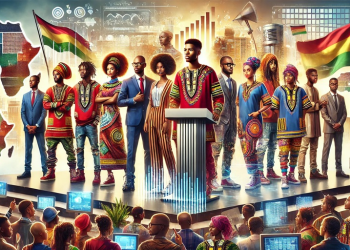
This pattern of destabilization extended to other nations that embraced Nkrumah’s Pan-African vision, such as Guinea, Zaire (now DRC), Mali, Togo, and Burkina Faso, where Western-backed coups became a tool to maintain control and exploit resources. Today, a new wave of leaders in Mali, Niger, Burkina Faso, and Senegal—like Ibrahim Traore, Assimi Goïta, Abdourahamane Tchiani, Basirou Diomaye Faye, and Ousmane Sonko—is reigniting Pan-Africanism, challenging historical oppression and garnering widespread support.

Yet, Africa’s former colonial powers persist in their efforts to thwart unity and maintain dominance. They strategically bolster nations like Nigeria, Egypt, Kenya, and South Africa, viewing them as bulwarks against Pan-Africanism. Nigeria, for instance, with its substantial population and military strength, remains a linchpin in West Africa, supported economically but hindered by internal poverty and infrastructure gaps, perpetuating a mindset of self-sufficiency to the detriment of continental solidarity.

Similarly, Egypt and Kenya serve as regional linchpins in North and East Africa respectively, with strong military ties and economic investments from the West aimed at preserving influence and countering Pan-African movements. The recent strategic alignment of Kenya with the United States underlines this geopolitical maneuvering, contrasting with historical figures like Prof PLO Lumumba, who advocate fiercely for African unity despite facing local opposition.

South Africa, despite being Africa’s largest economy, grapples with internal strife and racial tensions that have been exploited to undermine Pan-African sentiments. Western powers, wary of South Africa’s potential influence, have actively opposed moves like joining BRICS and condemning Israeli actions in Palestine, seeking to curtail any shift away from Western influence.

In essence, while Pan-Africanism gains traction, Africa’s former colonizers continue to sow divisions and foster dependence among key nations to safeguard their interests. The struggle for true independence and unity remains fraught with geopolitical challenges, but the resurgence of Pan-African ideals among a new generation offers hope for a more unified and self-determined Africa.
Tags: AfricaKenyaNewsNews Ghana
The Africa Agenda

The Africa Agenda

Related Posts

The Crocodile’s Clock: Mnangagwa, Succession Anxiety, and the Slow Death of Zimbabwe’s Democracy
Editorial

The Crocodile’s Clock: Mnangagwa, Succession Anxiety, and the Slow Death of Zimbabwe’s Democracy

October 20, 2025
Why Gen Zs Should Care About a Borderless Africa
Editorial

Why Gen Zs Should Care About a Borderless Africa

October 20, 2025
Gbiniyiri’s Refugees and the Unfinished Struggle for a Borderless Africa
Features

Gbiniyiri’s Refugees and the Unfinished Struggle for a Borderless Africa

September 4, 2025
Next Post
Italian Prime Minister Georgia Meloni Takes Strong Stance on Migration Issues During Libya Visit

Italian Prime Minister Georgia Meloni Takes Strong Stance on Migration Issues During Libya Visit

Ugandan Youth Organize Anti-Corruption March Amid Government Warnings

Ugandan Youth Organize Anti-Corruption March Amid Government Warnings

Rabat’s Historical Treasures Under UNESCO Review at Annual Heritage Meeting

Rabat's Historical Treasures Under UNESCO Review at Annual Heritage Meeting

Leave a Reply Cancel reply

Your email address will not be published. Required fields are marked *

Categories

  • Business
  • Editorial
  • Features
  • History
  • News
  • Opinion
  • Politics

Topics

#africa Africa Africa Agenda AfricanAgenda Africa Rising Akufo Addo Bassirou Diomaye Faye Borderless Borderless Africa BRAZIL Burundi Central African Republic CLIMATE Congo COP 29 Diamond Donald Trump Endbadgovernment Ethiopia galamsey Genocide Ghana Kenya Libya Malaysia Mauritius News News Ghana Nigeria Ramaphosa Russia Ruto Rwanda senegal South Africa Sudan Sumiyu theafricaagenda TheafricanAgenda The Phoenix President Tum Daim Zainuddin Tunisia UK UN USAID
No Result
View All Result
The Crocodile’s Clock: Mnangagwa, Succession Anxiety, and the Slow Death of Zimbabwe’s Democracy

The Crocodile’s Clock: Mnangagwa, Succession Anxiety, and the Slow Death of Zimbabwe’s Democracy

October 20, 2025
Why Gen Zs Should Care About a Borderless Africa

Why Gen Zs Should Care About a Borderless Africa

October 20, 2025
Gbiniyiri’s Refugees and the Unfinished Struggle for a Borderless Africa

Over 13,000 Ghanaians Flee to Côte d’Ivoire After Gbinyiri Land Dispute – Interior Minister Confirms

January 27, 2026
  • About
  • Advertise
  • Careers
  • Contact

© 2026 The Africa Agenda - Sponsored by The Africa Agenda.

No Result
View All Result
  • Home
  • Politics
  • News
  • Business
  • Culture
  • National
  • Sports
  • Lifestyle
  • Travel
  • Opinion

© 2026 The Africa Agenda - Sponsored by The Africa Agenda.