By Moses Desire Kouyo-Lead Editor
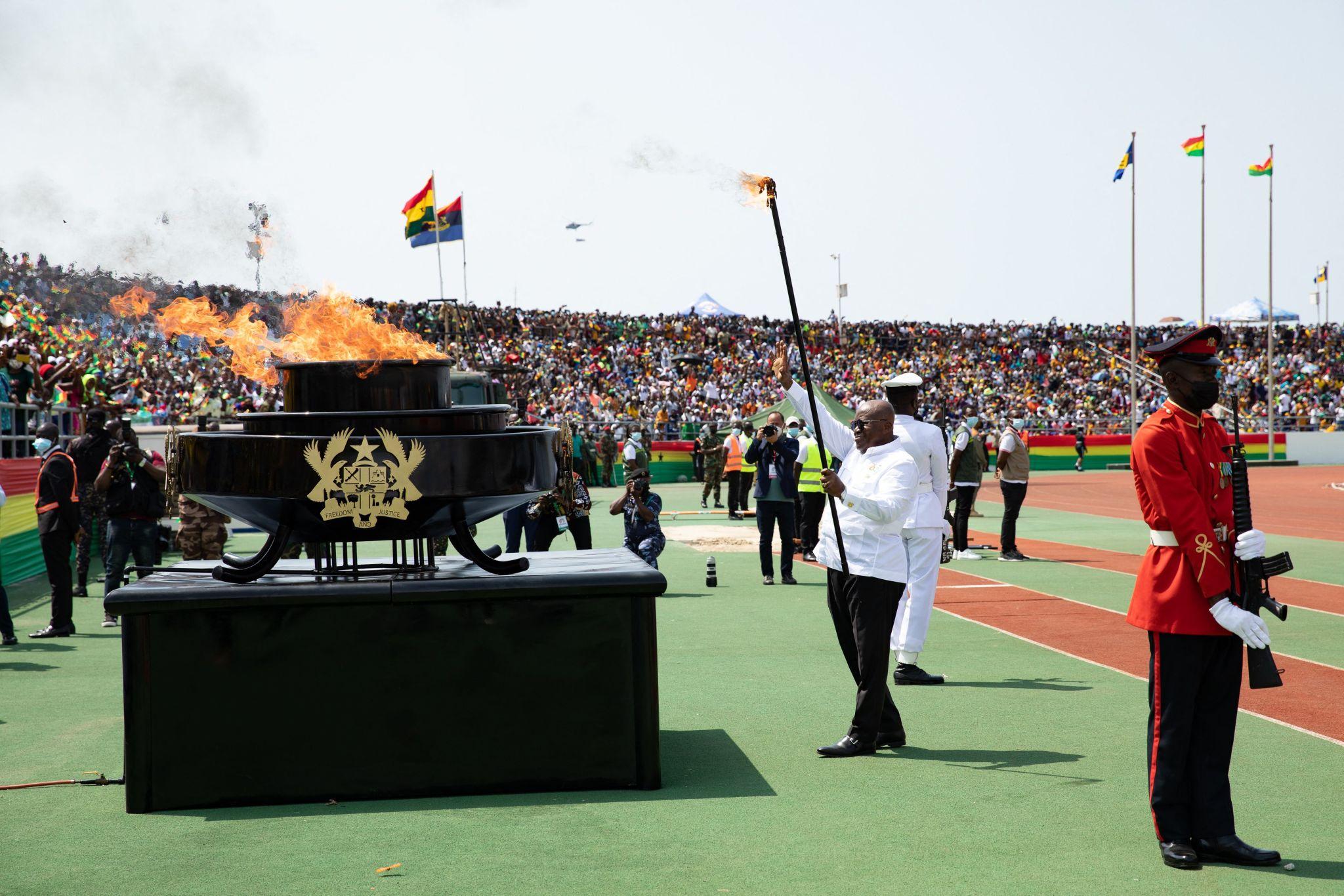
March is Ghana Month, a time of flags, festivals, history lessons, and renewed pride in the nation that first broke colonial rule in sub-Saharan Africa. Streets are adorned in red, gold and green. Cultural events fill the calendar. Social media timelines celebrate heritage, kente, highlife, and the indomitable spirit of independence.
But amid the celebration, a hard question lingers:
What does Ghana Month truly mean if Africa’s sons and daughters must still pay $200 to enter the land that once declared, through Kwame Nkrumah, that “the independence of Ghana is meaningless unless it is linked up with the total liberation of Africa”?

Celebration Without Access
Ghana has long positioned itself as the spiritual home of Pan-Africanism. From hosting liberation movements in the 1960s to the 2019 “Year of Return,” the country has embraced its identity as a continental and diasporic hub.
Yet today, many African nationals arriving at Kotoka International Airport must pay a $200 visa-on-arrival fee. For students, traders, artists, and young entrepreneurs from across the continent, that cost is not symbolic, it is prohibitive.
For a market woman from Dakar, a tech innovator from Kigali, or a creative from Nairobi, $200 can represent months of savings. The policy, while administratively routine, sends a contradictory message during Ghana Month: you are welcome in spirit, but access comes at a price.
The Spirit of 1957
When Ghana gained independence in 1957, it did so not merely as a nation-state but as a beacon. Nkrumah envisioned Accra as the meeting ground of African unity, a place where borders would one day soften in the service of continental progress.
That vision aligned closely with what the African Union would decades later articulate in its Free Movement of Persons Protocol: an Africa where citizens can travel, trade, and collaborate without artificial barriers.
Yet implementation has been slow across the continent, and Ghana despite its moral authority on Pan-Africanism has yet to fully embody that ideal in practice.
Symbolism vs Substance
In recent weeks, national conversations have revisited historical memory, including debates around the naming of national monuments and institutions. These symbolic acts matter. They shape how a country understands itself.

But symbolism without structural change risks becoming performance.
Ghana Month cannot only be about fashion shows, Independence Day parades, and curated narratives of pride. It must also be about policy alignment. If we invoke Nkrumah’s name, we must also implement his principles.
A visa-free or at least visa-fee-free regime for African nationals would not merely be an administrative adjustment. It would be a powerful declaration that Ghana’s commitment to unity is not seasonal, it is structural.
Economic and Cultural Gains
Removing visa fees is not charity; it is strategy.
Easier mobility boosts tourism, conference hosting, cross-border investment, creative collaboration, and educational exchange. Intra-African trade remains stubbornly low compared to other regions of the world. Barriers to movement directly reinforce that stagnation.
As the African Continental Free Trade Area (AfCFTA) secretariat is headquartered in Accra, Ghana stands at the epicenter of a new economic vision. How can we champion free trade while restricting free movement?
The contradiction is difficult to ignore.
A True Ghana Month Commitment
If Ghana Month is to be more than nostalgia, it must become a policy moment.
Scrapping visa-on-arrival fees for African nationals would:
- Affirm Ghana’s Pan-African leadership.
- Align practice with rhetoric.
- Strengthen continental integration.
- Make Accra genuinely accessible as Africa’s meeting place.
Ghana has often led when others hesitated. In 1957, it did not wait for permission to be free. Today, it need not wait for consensus to make a bold continental gesture.
Let Ghana Month 2026 be remembered not just for cultural celebration, but for courageous policy.
Anything less risks turning homage into hollow ritual and history into decoration rather than direction.