By Moses Desire Kouyo
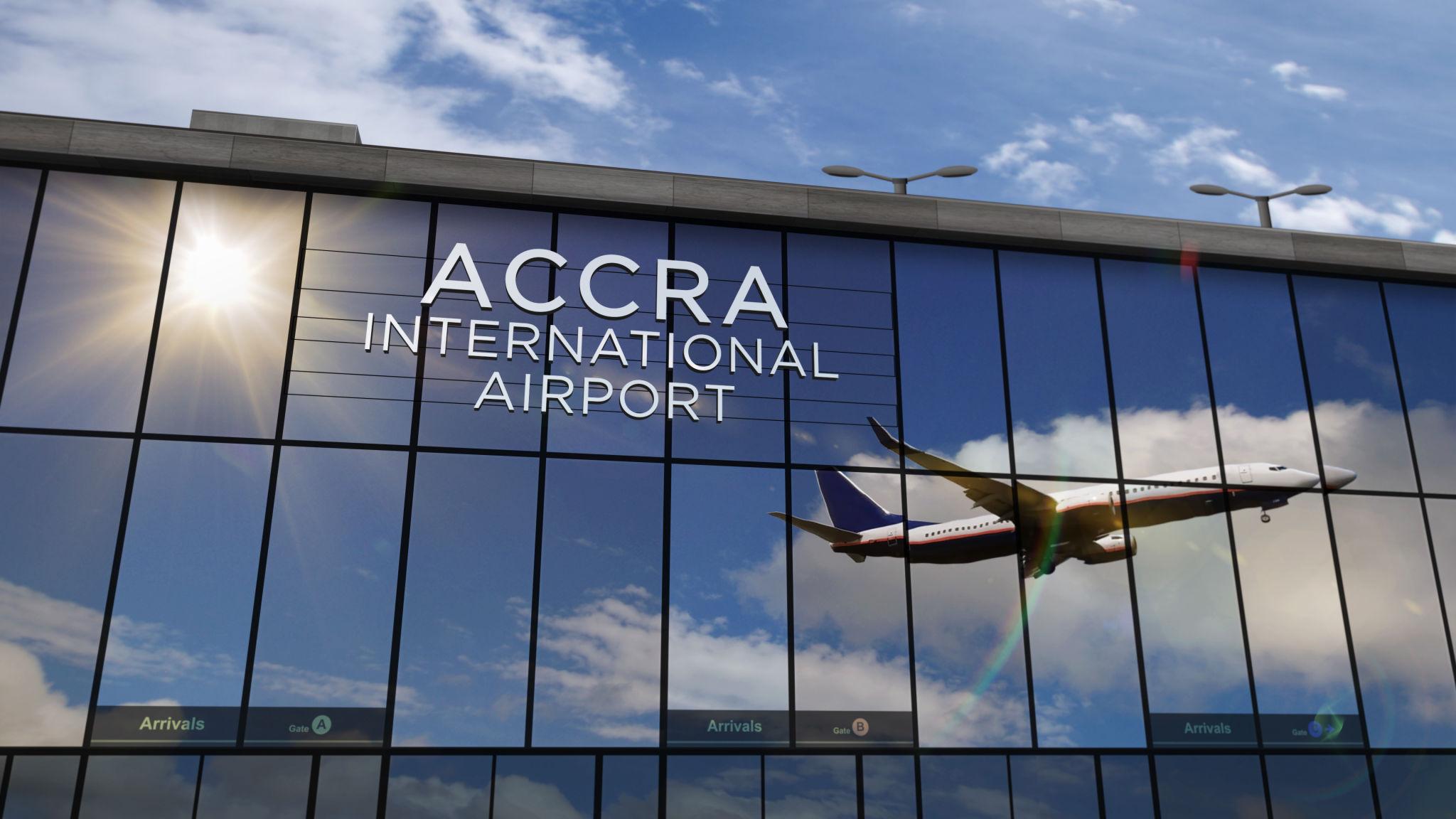
Pan-African movement Africans Rising has welcomed the Government of Ghana’s decision to remove the name of Emmanuel Kotoka from the country’s main international airport, describing the move as a long-overdue step toward restoring historical coherence and national dignity.
The announcement coincides with the 60th anniversary of the 1966 overthrow of Kwame Nkrumah, Ghana’s first president and a leading architect of modern Pan-Africanism.

In a statement issued on February 24, Africans Rising said the renaming of Kotoka International Airport back to its original name, Accra International Airport, corrects what it called a “stark contradiction” in Ghana’s historical narrative.
On 24 February 1966, while Nkrumah was on a peace mission to Hanoi during the Vietnam War, his government was overthrown in a coup widely believed to have had backing from the Central Intelligence Agency of the United States. The coup abruptly halted what many consider one of Africa’s most ambitious post-independence development agendas.
Nkrumah’s administration had championed rapid industrialisation, state-led development, and continental unity. Ghana became a hub for African liberation movements, offering training, logistical support, and diplomatic solidarity to freedom fighters across the continent.
Ironically, the Accra International Airport originally constructed during Nkrumah’s tenure as part of his modernisation drive, was later renamed Kotoka International Airport after Kotoka, one of the key figures in the coup. For decades, critics argued that this naming represented a contradiction at the heart of Ghana’s national narrative.
Travelers arriving in Accra often visit the nearby Kwame Nkrumah Mausoleum, where Nkrumah is buried. Africans Rising noted the symbolic dissonance of honoring a coup leader at the country’s main gateway while commemorating the overthrown president as a continental icon.
The reported decision to restore the airport’s original name, Accra International Airport has therefore been hailed as a long-overdue alignment of national symbols with Ghana’s founding ideals.

Beyond Symbolism: The Visa Question
Yet Africans Rising insists that renaming alone is not enough.
In its statement, the movement argues that Ghana’s current visa-on-arrival fee of $200 for African nationals undermines the very Pan-African principles Nkrumah championed. While Ghana has often been praised for comparatively progressive visa policies, the fee remains a financial barrier for many Africans.
“Renaming the airport without addressing restrictive mobility policies risks becoming a symbolic gesture without transformative substance,” the statement reads.
Nkrumah famously declared, “Africa must unite.” For Africans Rising, unity must be tangible, not merely rhetorical. Free movement of people across African borders, they argue, is essential to realizing economic integration, cultural exchange, and political solidarity.
A Call to Action
Africans Rising is therefore calling on the Government of Ghana to:
- Eliminate visa-on-arrival fees for African nationals.
- Ratify and fully implement the African Union’s Free Movement of Persons Protocol.
The African Union adopted the protocol in 2018 as part of broader continental integration efforts aligned with Agenda 2063. However, ratification and implementation have lagged in many member states.
For many Pan-Africanists, Ghana holds a special place in the continental imagination. As the first sub-Saharan African nation to gain independence in 1957, and under Nkrumah’s leadership, it became a beacon of hope and radical possibility.
A Moment of Renewal
As Africa reflects on six decades since Nkrumah’s overthrow, the airport renaming represents more than a change of signage. It signals an opportunity for Ghana to reaffirm its historical role as a standard-bearer of African unity.

Whether that opportunity translates into deeper structural reforms particularly around mobility and integration remains to be seen.
For Africans Rising, the message is clear: correcting history must go hand in hand with renewing vision.